Restaurant Interior Design: Connecting Atmosphere and Service

A memorable restaurant begins with the way people move, meet and settle into a space. Seating, lighting and materials work together with the rhythm of service. Ristorante 33 in Zurich and the successive renovations at Lacivert in Istanbul illustrate two different ways to approach this relationship.
Start with the guest journey
Consider the journey from the entrance to the table before choosing finishes. Where will guests pause? Can someone find their seat without crossing a busy service route? A clear arrival point and a considered mix of tables help the room feel welcoming. The layout should support the restaurant’s way of serving, rather than force staff to work around the furniture.
Give each area a role
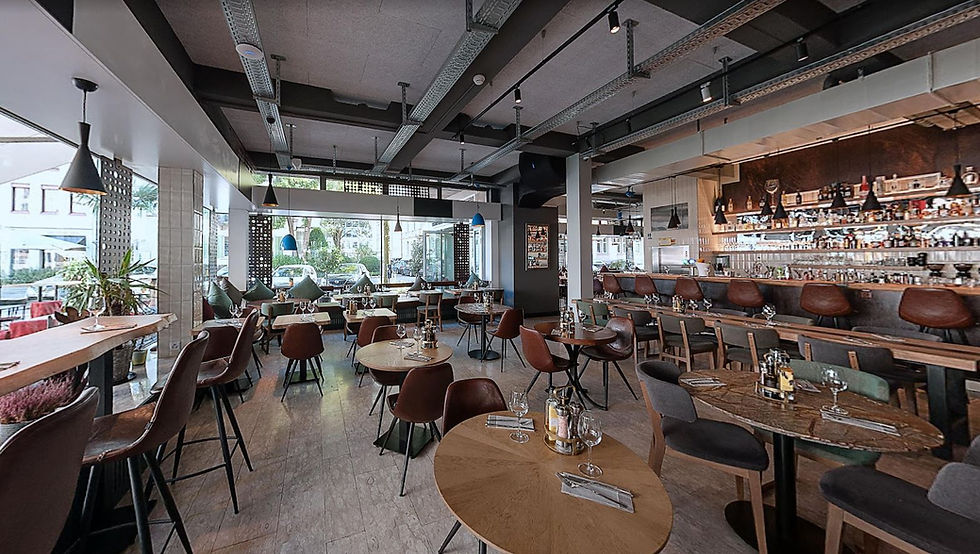
A bar, dining area and open kitchen can share one identity while offering different experiences. At Ristorante 33, the show-kitchen counter and pizza oven bring preparation into the dining experience. Timber tables, upholstered benches and varied seating balance the exposed ceiling and industrial character.
Plan lighting around use
Think about the table, the surrounding room and the working areas separately. A comfortable dining atmosphere still needs legible menus, visible faces and practical light for service. Review material samples and lighting together: the same surface can appear very different in daylight and after dark.
Refresh an established identity carefully
At Lacivert, work between 2010 and 2015 connected garden landscape, interior elements and lighting through successive improvements. An established restaurant can evolve through considered changes that respect what guests already recognise.
Before the first design meeting
Bring a simple operational brief: the intended dining experience, seating preferences, service style, opening hours and elements worth retaining. These decisions give the design a useful starting point and make it easier to judge whether a beautiful idea also works in daily use.


Comments